


As a devoted dog or cat owner on Long Island, you understand that keeping your furry friend happy and healthy is a top priority. While daily walks around your neighborhood, trips to local parks, and snuggles on the couch are all part of the joy, one crucial aspect of pet care often sparks a question: “How often should my pet be professionally groomed, and what does it really cost?”
The truth is, there’s no universal answer, but understanding the factors that influence grooming frequency and cost can help you make the best decisions for your beloved companion. Professional grooming is more than just a pretty haircut; it’s a vital part of preventative health care that contributes significantly to your pet’s comfort, hygiene, and overall well-being. Let’s delve into the details, specifically for Long Island pet parents.
Factors Influencing Grooming Frequency for Long Island Pets
Determining the ideal grooming schedule for your dog or cat depends on a blend of individual characteristics and lifestyle. Living on Long Island, your pet’s environment also plays a role, from sandy beaches to muddy winter trails.
1. Breed and Coat Type:
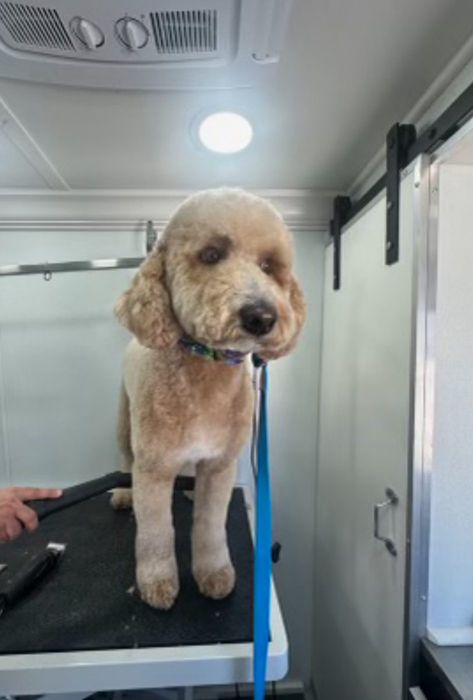
- Long-haired or Double-Coated Breeds (e.g., Golden Retrievers, German Shepherds, Shih Tzus, Poodles, Bichon Frises): These breeds generally require professional grooming every 4-6 weeks. Their luxurious coats are prone to matting, especially in humid Long Island summers or after a day at the beach. Regular brushing at home is a must between appointments, but professional dematting, deshedding, and trimming are essential to prevent discomfort and skin issues.
- Wire-Haired Breeds (e.g., Terriers): Many wire-haired breeds benefit from hand-stripping or specific clipper cuts every 6-8 weeks to maintain their coat texture and health.
- Short-Haired Breeds (e.g., Labradors, Beagles, Boxers): While they may not need haircuts, short-haired dogs still benefit from professional baths, deshedding treatments, nail trims, and ear cleaning every 8-12 weeks. This helps manage shedding, keeps their skin healthy, and ensures their nails and ears are properly cared for.
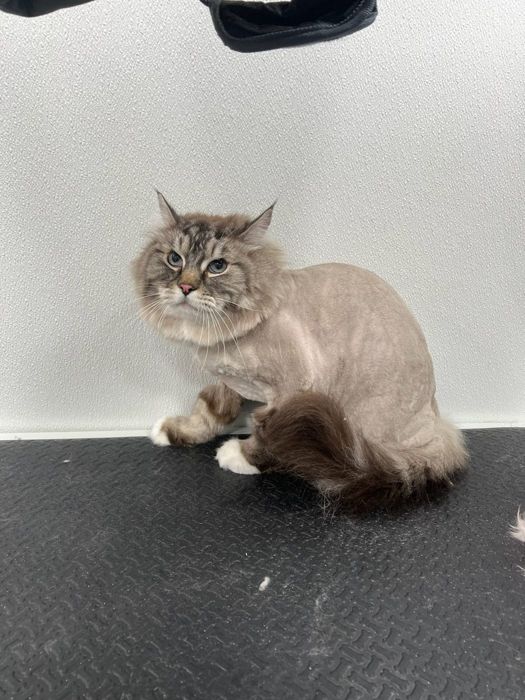
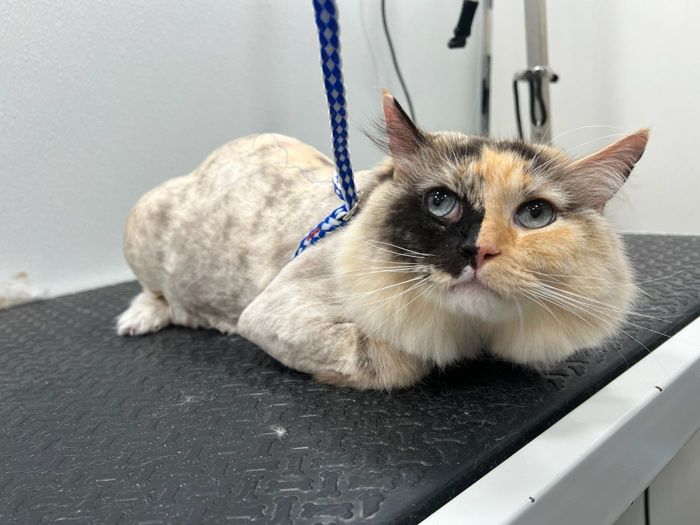
- Cats: Even short-haired cats can benefit from occasional professional grooming, especially to manage shedding and prevent hairballs. Long-haired cats, like Persians or Maine Coons, often need grooming every 6-8 weeks to prevent mats and skin problems.
2. Lifestyle and Activity Level:
- Active Outdoor Pets: If your dog enjoys frequent trips to Long Island’s dog parks, hikes in the local preserves, or swims in the ocean, they’ll likely need more frequent bathing and grooming. Mud, sand, salt, and pollen can quickly accumulate in their fur, leading to tangles, skin irritations, and odors.
- Indoor Pets: While generally cleaner, indoor pets still shed and can accumulate dander and dirt. Their grooming needs might be slightly less frequent than their outdoor counterparts but are still necessary for hygiene.
- Seasonal Changes: Long Island’s distinct seasons impact grooming needs. Spring and fall are prime shedding seasons, making professional deshedding treatments invaluable. Winters can bring mud, salt, and dry skin, while summers mean more outdoor activity and potential for tangles or sunburn on exposed skin for some breeds.
3. Health and Age:
- Puppies and Kittens: Early positive experiences with grooming are crucial. Shorter, more frequent introductory sessions can help them get used to the process.
- Senior Pets: Older pets may have mobility issues or sensitive skin, requiring a gentler, more patient grooming approach. Regular grooming can help identify lumps, bumps, or other skin changes that might otherwise go unnoticed.
- Pets with Skin Conditions or Allergies: Veterinarian-prescribed medicated baths or specialized shampoos require professional application and adherence to treatment schedules, often every 2-4 weeks.
Beyond the Bath: What Professional Grooming Entails
Professional grooming extends far beyond just washing and cutting hair. A comprehensive grooming session provides essential care that
