
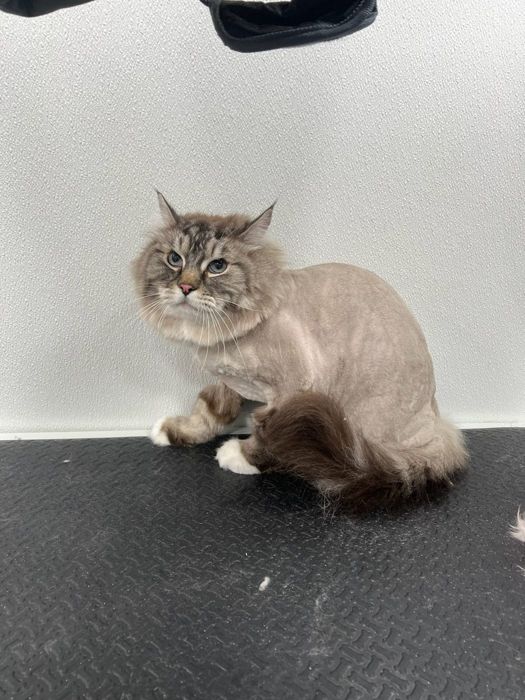
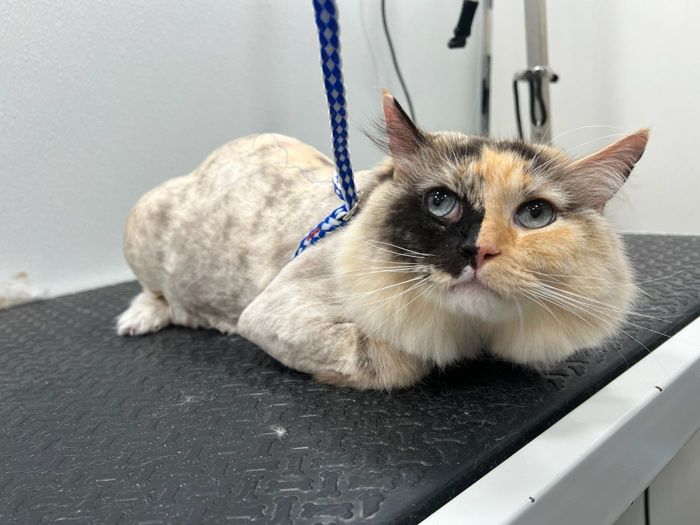
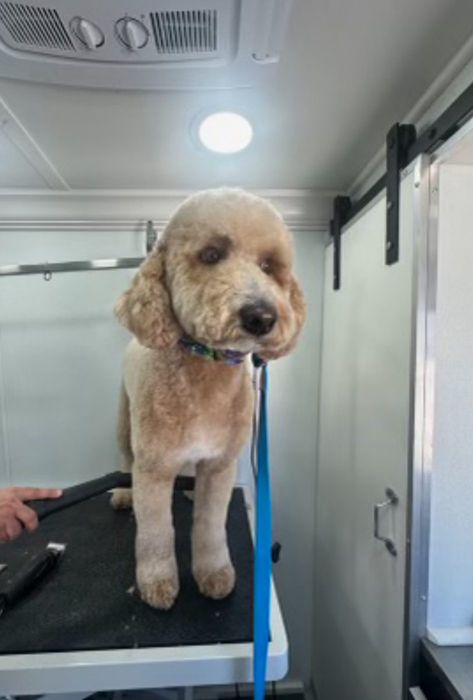
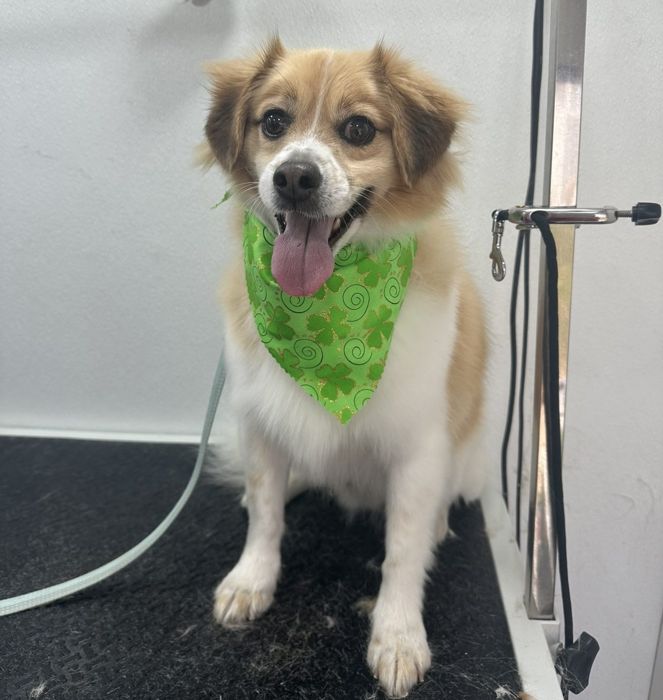

As a devoted dog owner on Long Island, you understand the joys and responsibilities that come with having a furry family member. Keeping your canine companion healthy and happy involves much more than just walks and belly rubs; professional grooming plays a crucial role. One of the most common questions we hear from pet parents across Nassau and Suffolk counties is: “How often should my Long Island dog be groomed professionally?” It’s a great question, and the answer isn’t always a simple one-size-fits-all, but rather depends on several key factors unique to your dog and our local environment.
Regular professional grooming offers a myriad of benefits beyond just a pretty haircut, contributing significantly to your dog’s overall health, comfort, and well-being. From preventing painful matting to early detection of skin issues, a consistent grooming schedule is an essential part of responsible pet ownership here on Long Island.
Factors Influencing Your Long Island Dog’s Grooming Needs
Determining the ideal grooming frequency for your dog involves considering a few important variables. Each dog is unique, and what works for one Golden Retriever in Huntington might be different for another in Riverhead.
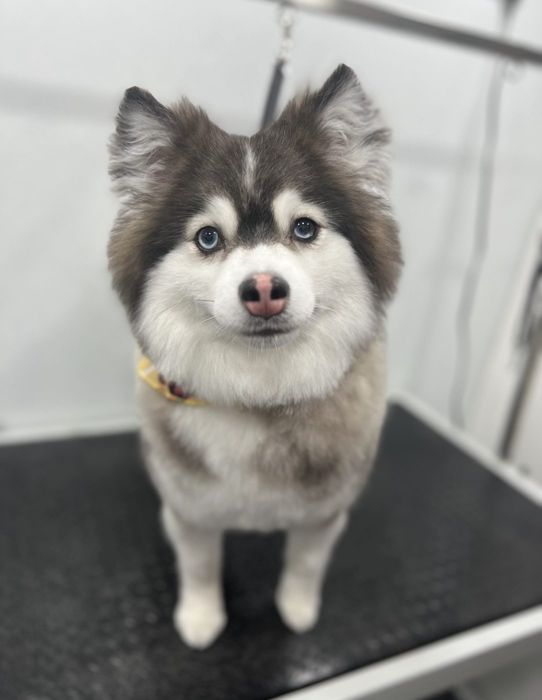
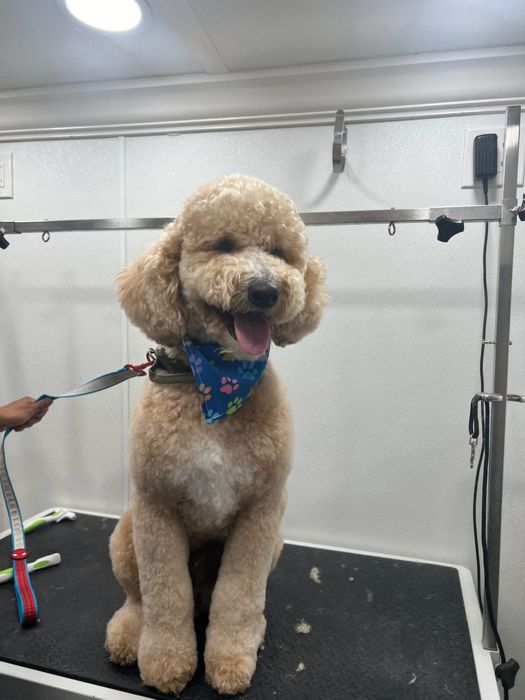
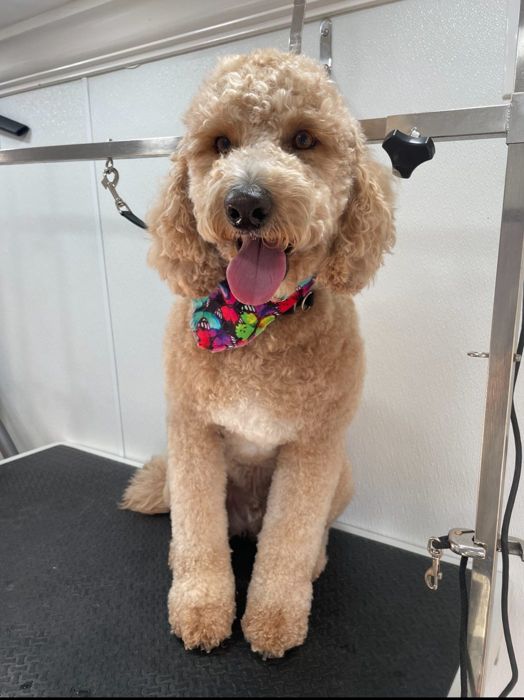
Breed and Coat Type: This is arguably the biggest factor. Dogs with continuously growing hair, like Poodles, Bichon Frises, Shih Tzus, and designer breeds such as Goldendoodles or Cavapoos, typically require grooming every 4-8 weeks to prevent matting and keep their coats healthy. Breeds with thick double coats, like Siberian Huskies, German Shepherds, or Samoyeds, benefit from regular de-shedding services every 6-8 weeks, particularly during seasonal shedding periods common on Long Island. Short-haired breeds such as Beagles, Boxers, or Labrador Retrievers might need less frequent full grooms, perhaps every 8-12 weeks, mainly for nail trims, ear cleaning, and a good bath to remove dirt and dander.
Lifestyle and Activity Level: Does your dog love exploring Long Island’s beaches and trails, or are they more of an indoor couch potato? Active dogs who spend a lot of time outdoors – playing in the sand at Jones Beach, rolling in the grass at a local park, or swimming in the sound – will naturally get dirtier and pick up more debris, necessitating more frequent baths and brush-outs. Dogs prone to allergies might also benefit from more regular baths to remove environmental irritants that accumulate in their fur, especially during Long Island’s changing seasons.
Health and Age: Older dogs or those with specific health conditions might require gentler, shorter grooming sessions more frequently to ensure their comfort. Dogs with skin sensitivities or conditions might benefit from specialized shampoos and more regular bathing schedules to manage their symptoms. Puppies, on the other hand, should be introduced to grooming early and gently, with more frequent short visits to get them accustomed to the process, setting them up for a lifetime of positive grooming experiences.
Typical Grooming Schedules for Long Island’s Beloved Pups
While the factors above mean there’s no single perfect answer, here are some general guidelines for common dog breeds found here on Long Island, based on professional recommendations:
Every 4-6 Weeks: This is the most common schedule for breeds with continuously growing hair that are regularly clipped or trimmed. Think Poodles, Bichon Frises, Shih Tzus, Maltese, Cockapoos, and Goldendoodles. Consistent grooming within this timeframe prevents mats
