
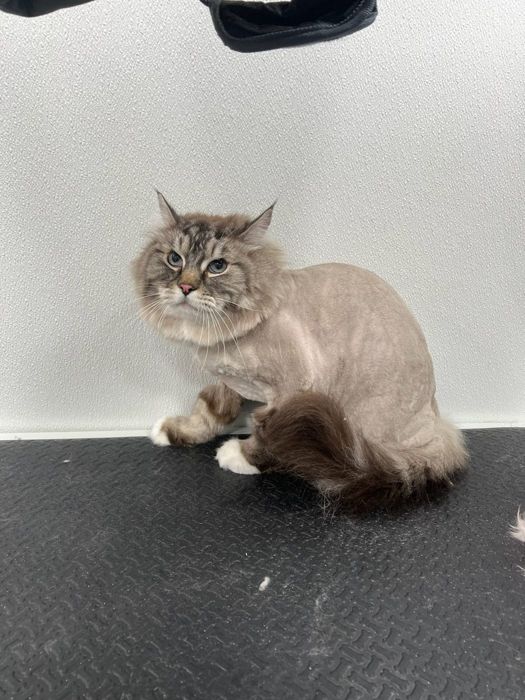
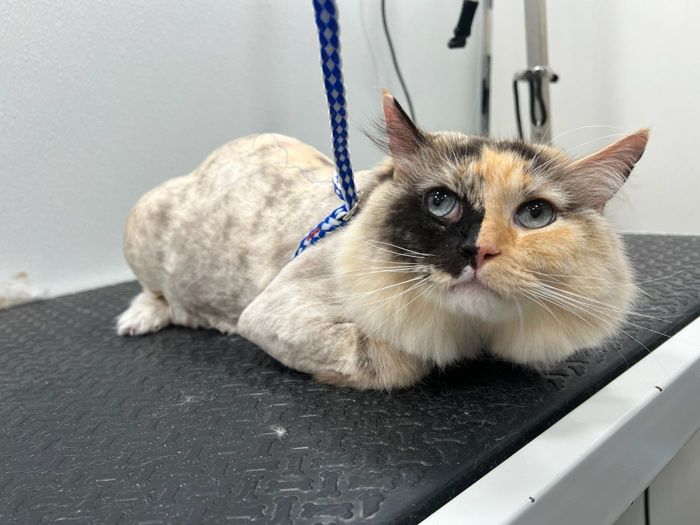
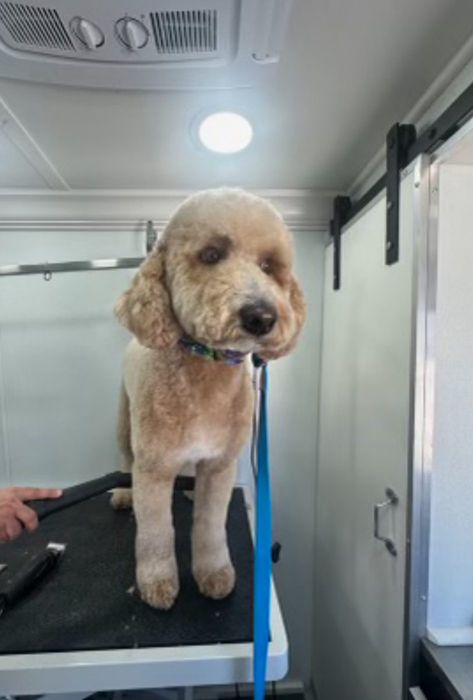
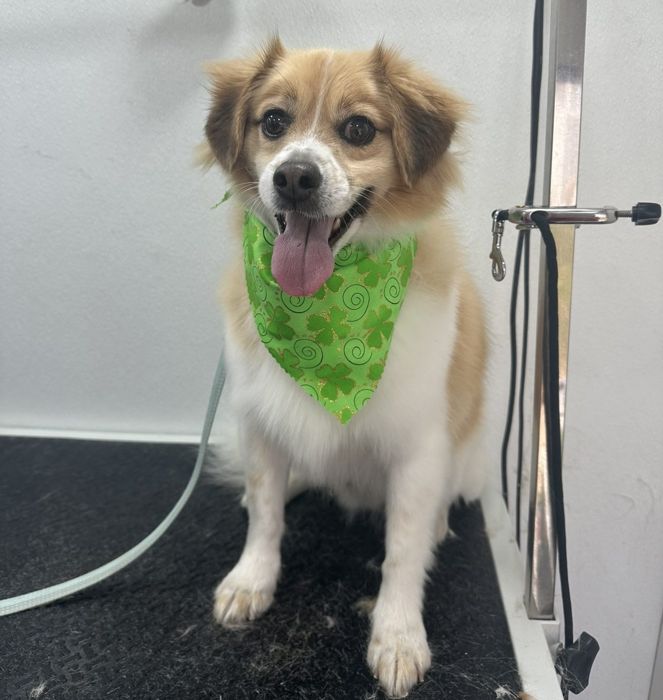
As a devoted Long Island dog or cat owner, you want the absolute best for your furry family member. Part of that commitment involves ensuring they are not only well-fed and loved but also well-groomed. Professional grooming is far more than just aesthetics; it’s a vital component of your pet’s overall health and well-being. But how often should your Long Island dog or cat visit the groomer, and what are the tell-tale signs that it’s time for a professional touch?
The truth is, there’s no universal one-size-fits-all answer. Grooming frequency depends on a unique combination of factors, from breed and coat type to lifestyle and individual health needs. Missing regular grooming appointments can lead to painful matting, skin infections, overgrown nails, and a host of other issues that can severely impact your pet’s comfort and health. Let’s explore the key considerations and red flags to help you determine the ideal grooming schedule for your beloved companion right here on Long Island.
Factors Influencing Grooming Frequency for Long Island Dogs
Understanding your dog’s unique needs is the first step in establishing an effective grooming routine. Several elements play a crucial role in how often your pet requires professional attention:
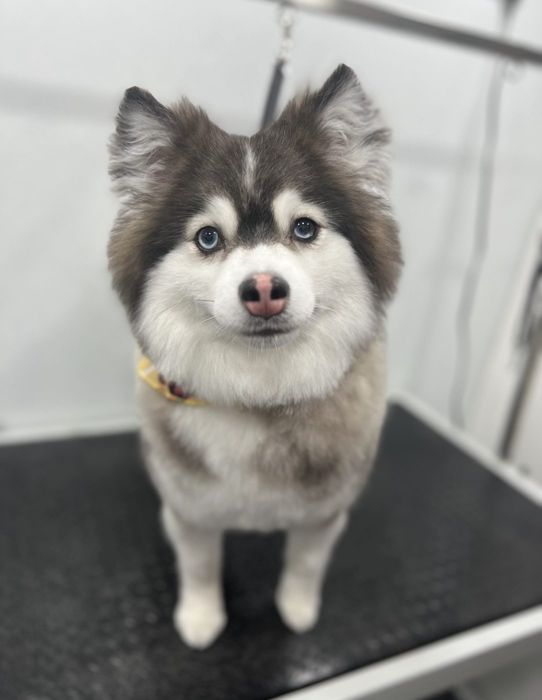
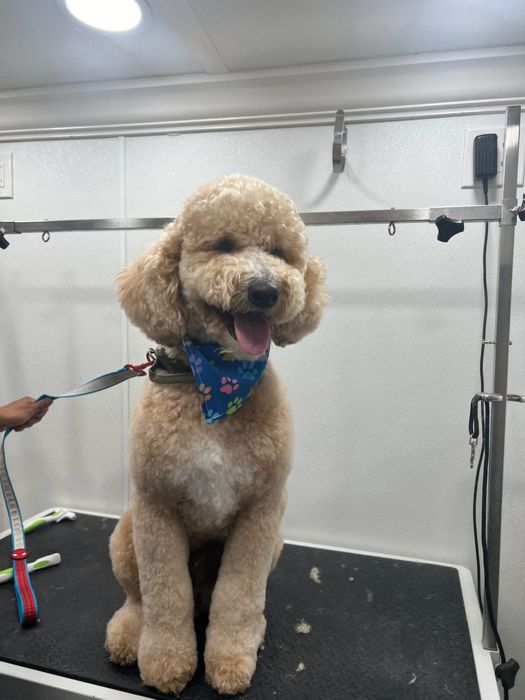
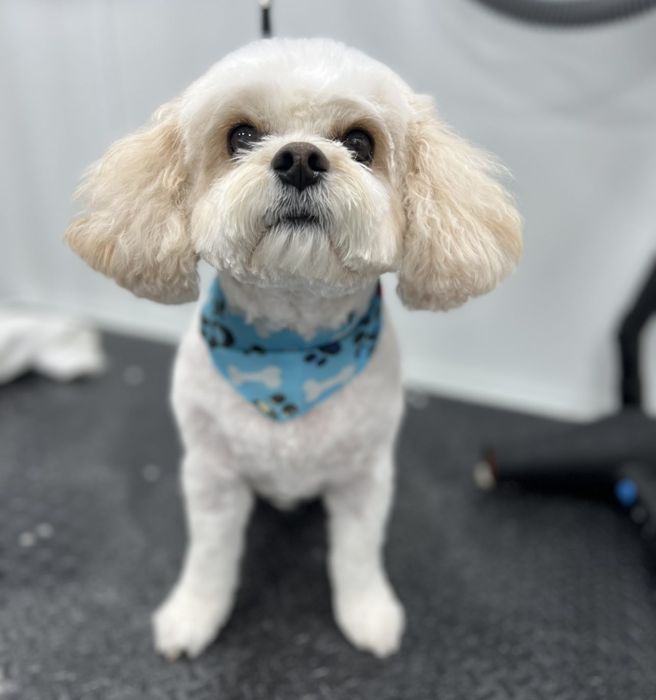
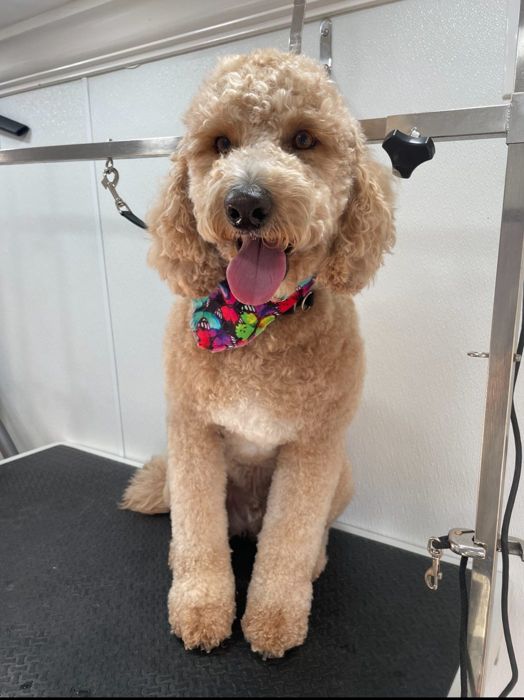
Breed and Coat Type: This is perhaps the most significant factor. Breeds with continuously growing hair, like Poodles, Shih Tzus, Maltese, and Bichon Frises, generally need professional grooming every 4-6 weeks to prevent matting and keep their coats healthy. Double-coated breeds such as Golden Retrievers, German Shepherds, and Huskies benefit from professional deshedding services every 6-8 weeks, especially during our heavy Long Island shedding seasons (spring and fall) to manage loose undercoat and prevent skin issues. Even short-haired breeds like Beagles or Labs can benefit from a professional bath and nail trim every 8-12 weeks to keep their skin healthy and manage shedding.
Lifestyle and Environment: Does your dog love to explore the sandy beaches of the South Shore, hike the trails of Suffolk County, or simply roll around in your backyard? Active Long Island dogs who spend a lot of time outdoors or playing in local parks will likely get dirtier faster and may need more frequent baths to remove dirt, allergens, and debris. Dogs living primarily indoors might stretch their grooming appointments a bit longer, but still require regular care. The humid Long Island summers can also exacerbate matting and skin irritation, making consistent grooming even more important during these months.
Age and Health: Puppies should be introduced to grooming early and gently, with short, positive experiences. Senior dogs might require more frequent, shorter grooming sessions tailored to their comfort and any mobility issues. Dogs with specific skin conditions, allergies, or other health concerns may benefit from therapeutic baths or specialized grooming treatments recommended by their veterinarian to manage symptoms and maintain skin health. Regular grooming allows for early detection of any new lumps, bumps, or irritations.
Red Flags: When Your Dog Absolutely Needs Professional Grooming
Beyond a set schedule, your dog will often give you clear signs that it’s time for a groomer. Ignoring these red flags can lead to discomfort, pain, and more serious health problems:
Matted Fur: This is perhaps the most critical red flag. Matts are tight tangles of fur that pull on the skin, causing severe pain, restricting movement, and potentially leading to skin infections, hot spots, and even parasites hidden beneath. Mats are not just unsightly; they are incredibly uncomfortable and can cut off circulation. Attempting to remove severe mats at home with scissors is dangerous and can easily injure your pet. Professional groomers have the tools and expertise to safely
