
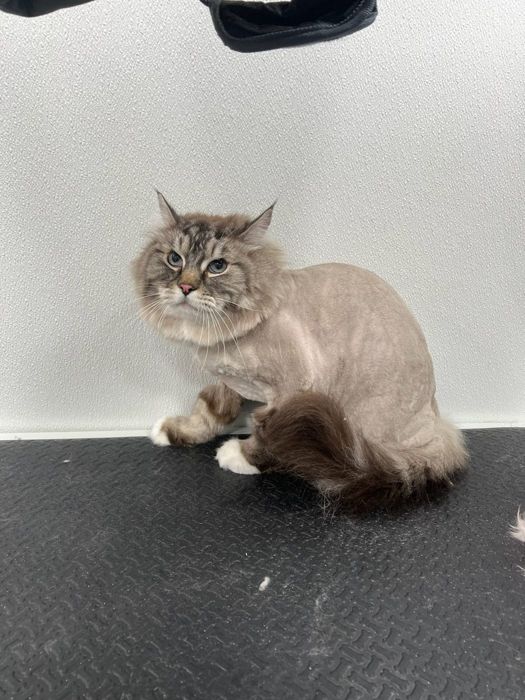
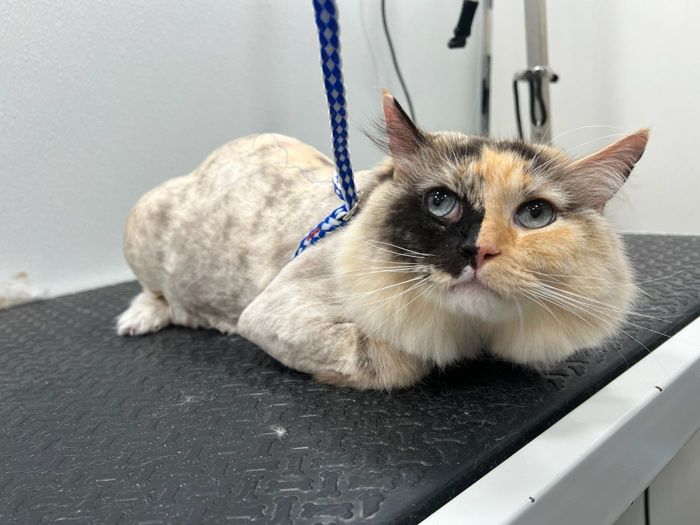
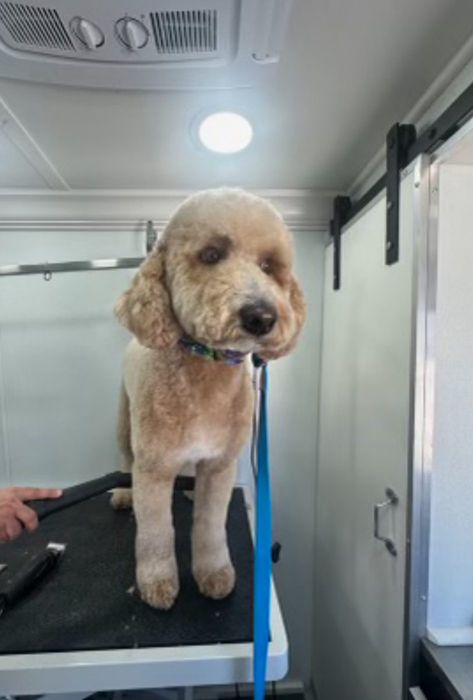
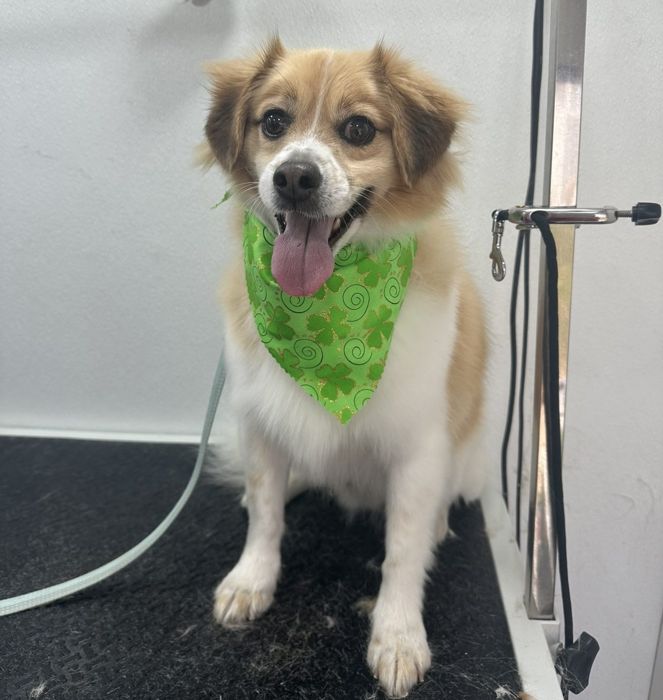
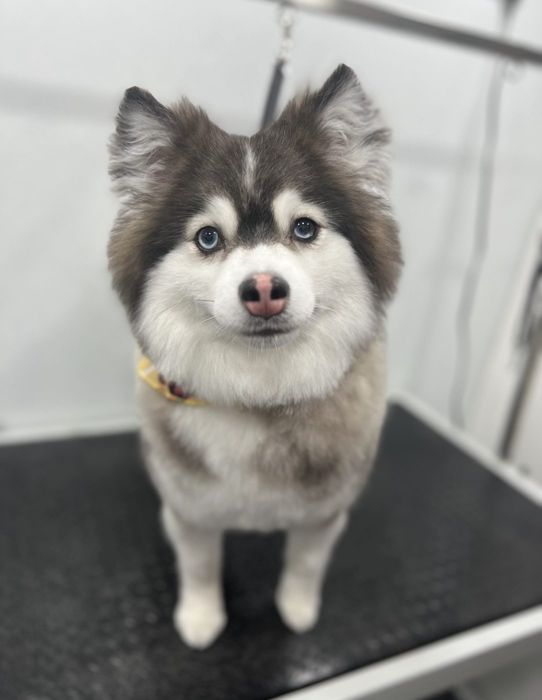
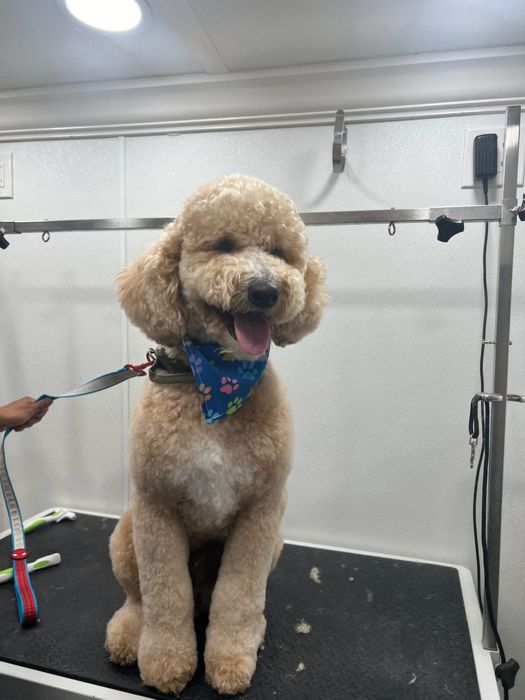
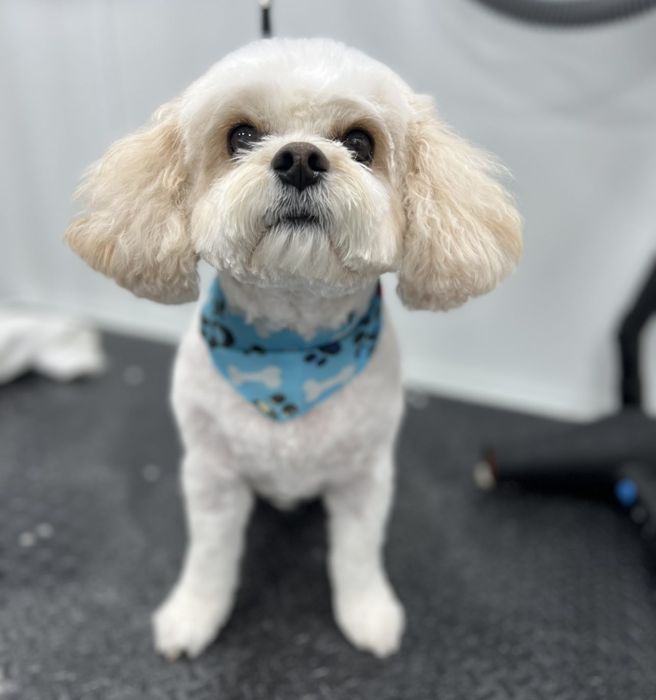
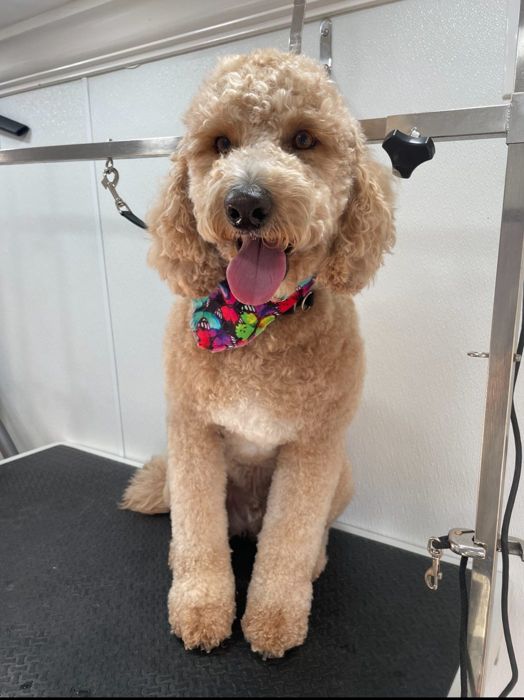
As our beloved canine companions enter their golden years, their needs evolve. Their once boundless energy might give way to slower movements, their senses might dull slightly, and their bodies may become more delicate. Yet, one thing remains constant: their need for regular grooming. For senior dogs, grooming isn’t just about looking good; it’s vital for their comfort, hygiene, and overall well-being. However, grooming a senior dog presents unique challenges, and as a devoted owner, understanding these nuances – and spotting potential red flags – is paramount. On Long Island, many pet owners are discovering the tailored benefits of mobile grooming for their older pets.
Why Senior Dogs Need Special Grooming Care
Senior dogs often contend with a range of age-related conditions that make traditional grooming a stressful, even painful, experience. Arthritis, for instance, can make standing for extended periods or navigating slippery salon floors agonizing. Diminished eyesight or hearing can amplify anxiety in a noisy, unfamiliar environment filled with strange smells and sounds. Skin may become thinner, more sensitive, and prone to bruising or irritation. Underlying health issues, such as heart conditions or cognitive dysfunction, mean they require a calm, gentle approach and a groomer who is attuned to their specific limitations.
Imagine your senior dog, perhaps struggling with stiff joints, being transported in a car, waiting in a crate at a busy salon, subjected to loud dryers, and handled by multiple unfamiliar people. This scenario can be incredibly overwhelming, leading to increased stress, fear, and even physical discomfort. A good grooming routine for senior dogs involves more than just a bath and a trim; it requires patience, empathy, and an environment designed to minimize stress and maximize comfort.
Spotting the “Red Flags” During Grooming
As a loving owner, you are your senior dog’s best advocate. While you may not be present for every moment of a grooming session, understanding what constitutes good care – and what should raise a red flag – is crucial. Here are key indicators to watch for:
1. Physical Discomfort or Injury: After a grooming session, always inspect your dog carefully. While minor nicks can occasionally happen, repeated or significant cuts, abrasions, or unexplained bruising are unacceptable. Pay close attention to areas like paw pads, ears, and underarms. A responsible groomer should communicate any accidental nicks immediately. More subtly, watch for signs of pain or extreme stiffness after grooming. If your dog, who normally has mild arthritis, is suddenly unable to move or is yelping, it could indicate rough handling or being kept in an uncomfortable position for too long.
2. Excessive Stress or Fear: Observe your dog’s behavior before, during (if you’re present), and immediately after grooming. Is your senior dog unusually withdrawn, panting excessively, drooling, or displaying aggressive behaviors they don’t normally show? While some dogs dislike grooming, extreme reactions – trembling, cowering, trying desperately to escape – suggest the experience was overly traumatic. A good groomer will recognize and respect a senior dog’s limits, pausing when needed and adjusting their approach to reduce stress, not exacerbate it. They should never force a senior dog into a position that causes undue fear or pain.