
Short, Smooth Coats (Beagles, Boxers, Pit Bulls, Dachshunds): While these breeds don’t require haircuts, they still benefit immensely from professional grooming. A bath, blow-dry, nail trim, and ear cleaning every 8-12 weeks can help manage shedding, keep their skin healthy, and ensure
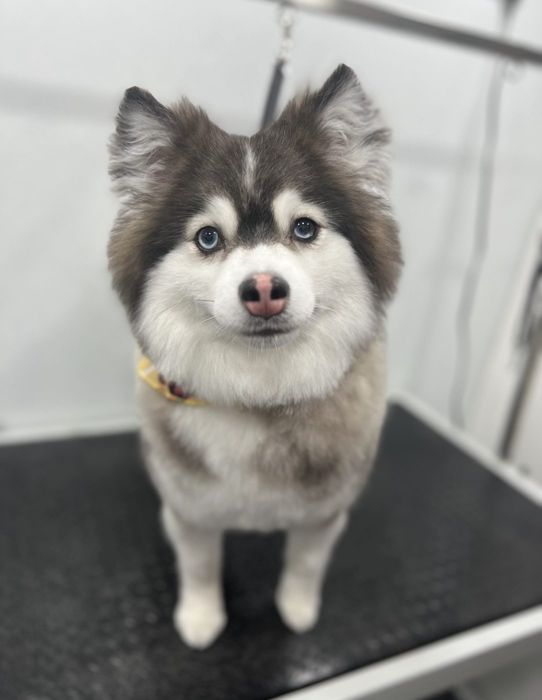
Double Coats (Golden Retrievers, Labrador Retrievers, Huskies, German Shepherds, Akitas): Double-coated breeds shed year-round, with heavier “blow-outs” twice a year. Professional de-shedding services every 6-8 weeks are ideal, especially during seasonal changes (like spring and fall here on Long Island). This helps remove loose undercoat, reduces shedding in your home, and prevents matting, which can lead to skin issues. It’s vital never to shave these breeds unless medically necessary, as their double coat provides insulation in both hot and cold weather.
Short, Smooth Coats (Beagles, Boxers, Pit Bulls, Dachshunds): While these breeds don’t require haircuts, they still benefit immensely from professional grooming. A bath, blow-dry, nail trim, and ear cleaning every 8-12 weeks can help manage shedding, keep their skin healthy, and ensure
As a devoted dog or cat owner on Long Island, you understand that keeping your furry family member happy and healthy is a top priority. While daily walks in local parks, visits to our beautiful beaches, and snuggles on the couch are essential, there’s another crucial aspect of pet care that often sparks questions: professional grooming. It’s more than just a spa day for your pet; regular professional grooming is fundamental to their overall health, comfort, and well-being. But with so many factors at play, from breed to lifestyle, how often should your Long Island canine companion really be visiting the groomer? Let’s dive into the specifics, helping you tailor a grooming schedule that perfectly suits your beloved pet and our unique Long Island environment.
Factors Influencing Your Dog’s Grooming Frequency
Determining the ideal grooming frequency isn’t a one-size-fits-all answer. Several key elements come into play, and understanding them will help you make the best decision for your dog’s individual needs. First and foremost is your dog’s breed and coat type. A fluffy Goldendoodle requires a vastly different schedule than a sleek Labrador Retriever. Poodles, Bichon Frises, and Shih Tzus, with their continuously growing hair, are prone to matting and need frequent attention, whereas short-haired breeds may only need bathing and nail trims every few months. Double-coated breeds like Golden Retrievers, Huskies, and German Shepherds benefit from regular de-shedding to manage their dense undercoats, especially during seasonal changes.
Beyond breed, your dog’s lifestyle and activity level significantly impact how often they need professional care. Does your dog love exploring the sandy shores of Robert Moses State Park, romping through the trails of Caleb Smith State Park Preserve, or playing in the backyard with the kids? Active dogs who frequently encounter mud, sand, pollen, or other outdoor elements will naturally get dirtier and may accumulate debris in their coats, necessitating more frequent bathing and brushing. Even Long Island’s unique seasons play a role: muddy springs, humid summers, and snowy winters each present their own grooming challenges, from managing “hot spots” in summer to preventing ice ball formation in winter coats. Finally, individual dog needs, such as skin allergies, sensitivities, or senior status, might require a specialized or more gentle grooming approach at different intervals.
General Grooming Guidelines by Coat Type
While every dog is unique, here are some general guidelines based on common coat types to help you establish a routine:
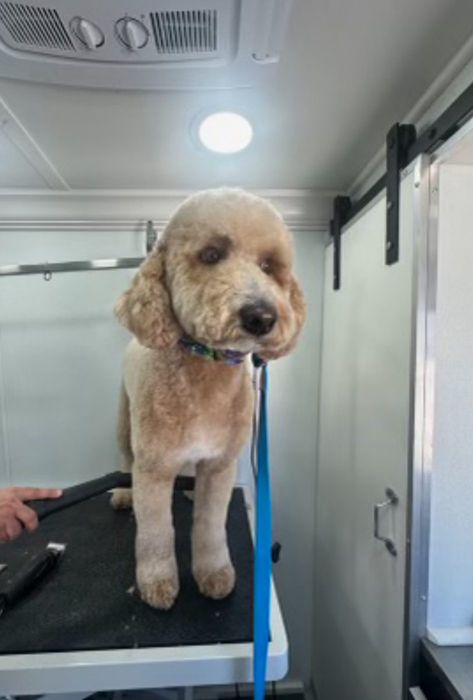
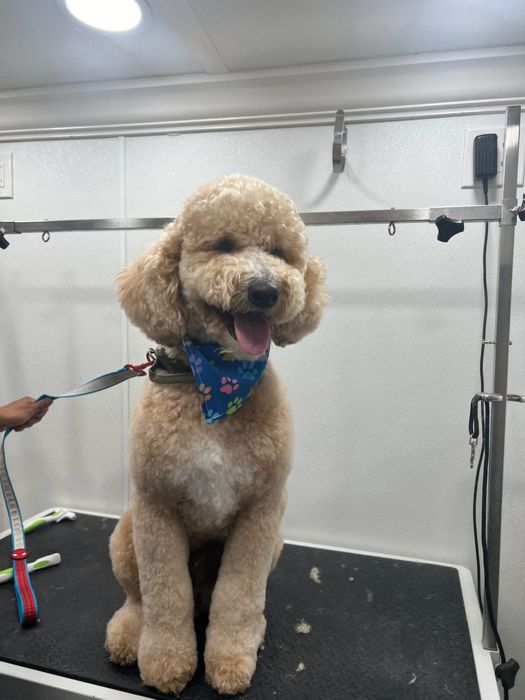
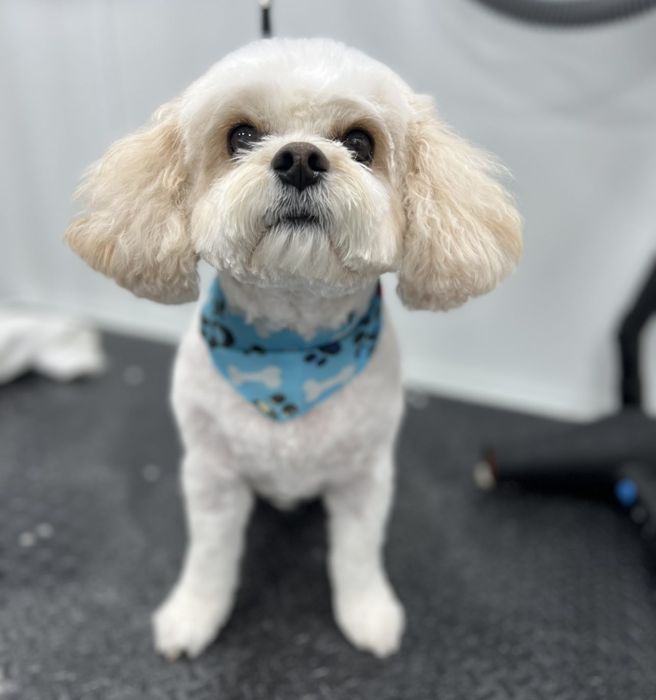
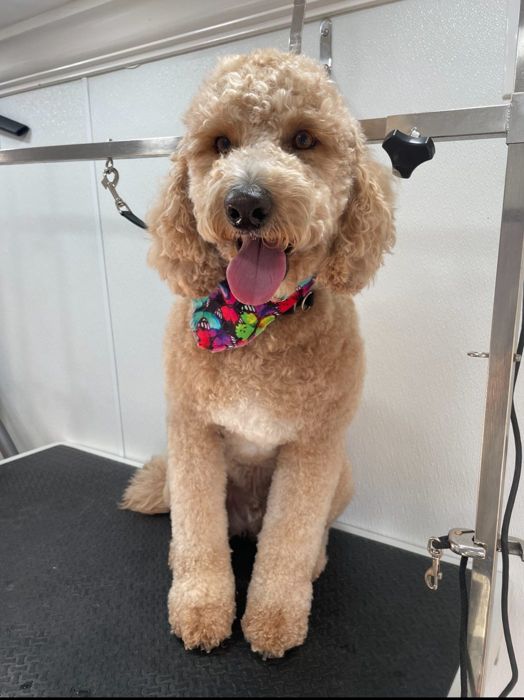
Long, Silky, or Curly Coats (Poodles, Shih Tzus, Maltese, Goldendoodles, Cockapoos): These breeds are notorious for matting if not groomed regularly. To prevent painful tangles and skin irritation, professional grooming every 4-6 weeks is highly recommended. This typically includes a bath, blow-dry, haircut, nail trim, and ear cleaning. Consistent brushing at home between appointments is also crucial.
Double Coats (Golden Retrievers, Labrador Retrievers, Huskies, German Shepherds, Akitas): Double-coated breeds shed year-round, with heavier “blow-outs” twice a year. Professional de-shedding services every 6-8 weeks are ideal, especially during seasonal changes (like spring and fall here on Long Island). This helps remove loose undercoat, reduces shedding in your home, and prevents matting, which can lead to skin issues. It’s vital never to shave these breeds unless medically necessary, as their double coat provides insulation in both hot and cold weather.
Short, Smooth Coats (Beagles, Boxers, Pit Bulls, Dachshunds): While these breeds don’t require haircuts, they still benefit immensely from professional grooming. A bath, blow-dry, nail trim, and ear cleaning every 8-12 weeks can help manage shedding, keep their skin healthy, and ensure
