
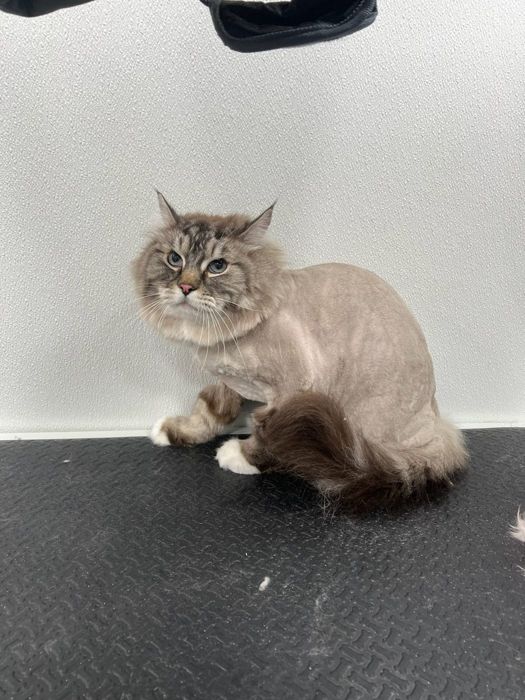
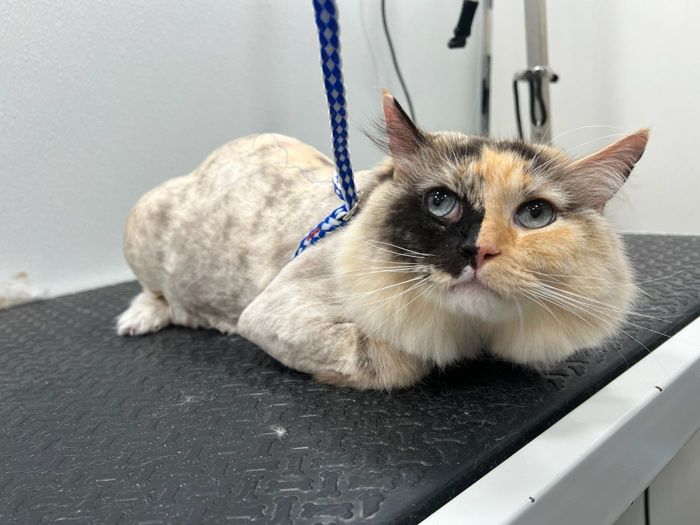
For cat owners on Long Island, the thought of grooming can often bring a mix of anticipation and anxiety. While we all want our feline companions to look their best and maintain healthy skin and coats, the traditional grooming experience can be incredibly stressful for many cats. The car ride, the unfamiliar sounds and smells of a salon, other barking animals, and the wait in a cage can all contribute to a truly unpleasant ordeal for your sensitive friend. But what if there was a better way?
Enter mobile pet grooming – a service that brings professional care right to your doorstep. And when it comes to cats, mobile grooming isn’t just a convenience; it’s often a game-changer for their well-being. However, not all groomers are created equal, especially when it comes to the unique needs of felines. Understanding why mobile grooming excels for cats and what to look for in a qualified professional can make all the difference for your beloved pet. Let’s explore how to ensure your cat’s grooming experience on Long Island is purr-fectly stress-free and safe.
The Unique Challenges of Grooming Cats (and Why Mobile Solves Them)
Cats are creatures of habit and territory. They thrive in familiar environments and can become easily stressed by change. Unlike many dogs, who might enjoy a car ride or social interaction, most cats find being taken from their home, driven to a strange place, and surrounded by unfamiliar scents and sounds to be deeply unsettling. This stress isn’t just emotional; it can lead to aggressive behavior, excessive shedding, and even health issues.
Traditional grooming salons, while excellent for many dogs, often present a gauntlet of potential stressors for cats:
- Car Rides: For many cats, the carrier itself is a symbol of an impending vet visit or other unpleasant journey.
- Loud Noises: Barking dogs, whirring dryers, and general salon chatter can be overwhelming.
- Strange Smells: The scents of many other animals, perfumes, and cleaning products can be highly disorienting.
- Caged Waiting: Being confined in a cage, often near other agitated animals, can elevate anxiety levels significantly.
- Unfamiliar Handling: Being groomed by someone new in an alien environment can trigger fear and defensive reactions.
Mobile grooming elegantly sidesteps almost all of these challenges. The professional grooming van arrives directly at your Long Island home, meaning no stressful car ride for your cat. The environment inside a dedicated mobile grooming unit is quiet, private, and free from other animals. Your cat experiences a one-on-one grooming session with the groomer, without the sensory overload of a bustling salon. This calm, focused approach dramatically reduces anxiety, making the entire process far more pleasant and often safer for both the cat and the groomer. It allows the groomer to work with a calmer, more cooperative cat, leading to a better groom and a happier experience all around.
What to Look for in a Cat Groomer: Essential Qualifications and Practices
Choosing the right groomer for your cat is paramount, whether they operate a mobile unit or a brick-and-mortar salon. However, with mobile grooming, you have the added benefit of a controlled environment. Here’s what discerning Long Island cat owners should prioritize:
- Feline-Specific Training & Certification: Grooming cats is vastly different from grooming dogs. Look for groomers who have invested in feline-specific education, such as certifications from reputable organizations like the National Cat Groomers Institute (NCGI) or similar programs. These certifications signify a deep understanding of feline anatomy, behavior, handling techniques, and stress signals.
- Experience with Cats: Ask about their experience level specifically with cats. How many cats do they groom in a typical week? Do they specialize in certain breeds or temperaments? A groomer who understands different coat types, from long-haired Persians to short-haired domestic cats, is crucial.
- Gentle Handling Techniques: The best cat groomers prioritize gentle, low-stress handling. They should avoid harsh restraints and instead use calming techniques, positive reinforcement, and take breaks if the cat becomes overwhelmed. They should be able to read a cat’s body language and know when to slow down or stop.
- Quiet & Clean Environment: For mobile units, observe the cleanliness and organization of the
